

Does the FuelSync Gas Saver really work? The rising cost of gas price due to the ongoing war has left most people in panic. As a family of five, We -I and my husband – have been thinking of ways to reduce our SUV gas consumption. So when we saw ads for the FuelSync gas saver device, we were hooked.
”Plug in a small device and instantly save up to 40 percent on fuel. No complicated installation, no mechanic, just plug and drive”
Playing it safe, after being burned by one too many online products that overpromise and underdeliver, we ordered from Amazon.com.
Here’s a brutally honest review of Fuel Syn Fuel Saver from someone who actually bought and tested it.
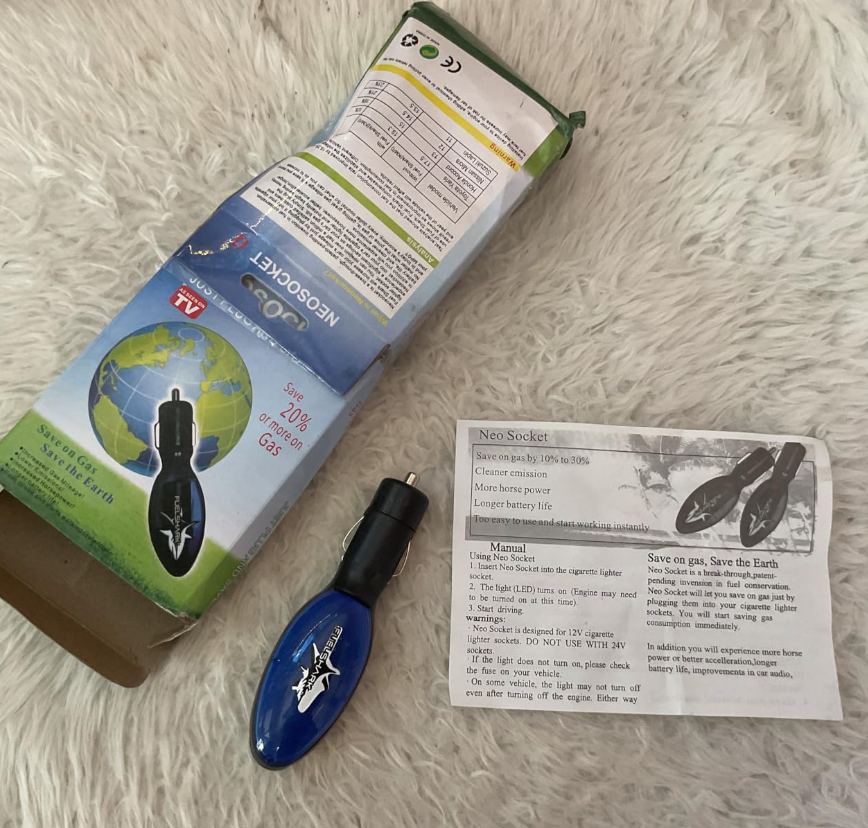
Table of Contents
About FuelSync Gas Saver
FuelSync is marketed as a small plug in device that connects to your car through the cigarette lighter port. According to its ads, it works by stabilizing your car’s electrical system and optimizing fuel consumption.
Some of the claims include improving fuel efficiency by up to 40 percent, reducing engine wear, enhancing overall vehicle performance, and lowering emissions. The idea is that once plugged in, the device communicates with your car and adjusts how fuel is used during combustion.
It sounds technical and convincing on the surface, especially if you are not deeply familiar with how car engines actually work. The device itself is small, lightweight, and has a simple design with a red indicator light that turns on once plugged in.
There is no app, no setup process, no instructions beyond plugging it in and driving normally.
Testing FuelSync Fuel Saver on my 2022 Ford Explorer
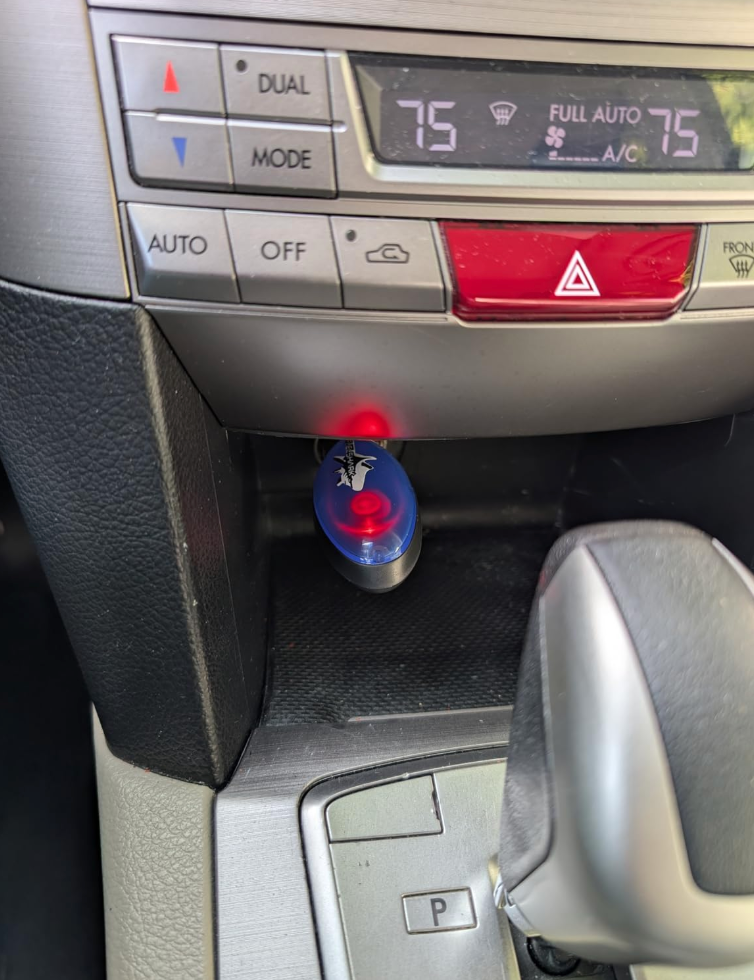
We plugged it into our family SUV and immediately the red light came on. That part at least worked as advertised. It gave that reassuring feeling that something was happening.
Over the next few days, we used the car like we always do. School drop offs, grocery runs, errands, nothing out of the ordinary. I made sure not to change our driving habits so I could get a fair idea of whether the device was actually making a difference.
Here is what I noticed. The gas consumption did not change. Not even slightly.
We were still refilling at the same frequency. The fuel gauge dropped at the same rate. There was no visible improvement in how far the car could go on a full tank.
But something interesting did happen. The car’s trip display started showing a much higher miles per gallon reading. Almost double in some cases.
At first glance, that might seem like proof that the product is working. But when you actually compare it to real world usage, it does not add up. The numbers on the dashboard changed, but the actual fuel being used did not.
And that is when it became clear that something was not right.
What does this gas saving device ACTUALLY do?
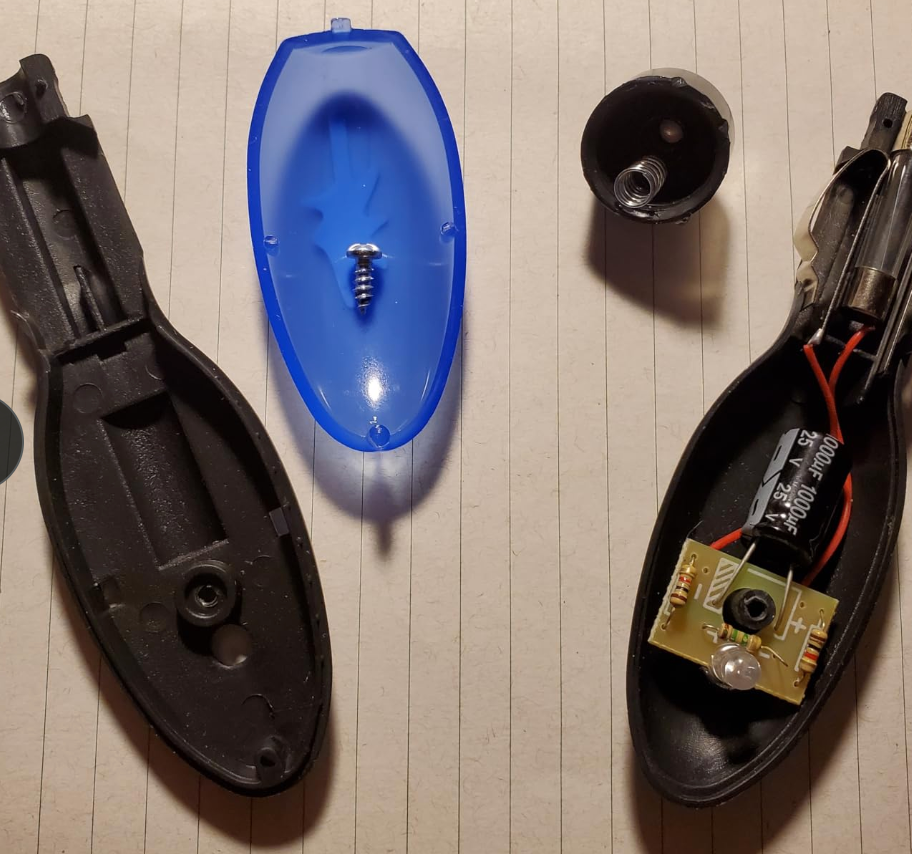
So my husband used a screwdriver to open the FuelSync device, here’s what we found; Inside is nothing more than a very basic circuit board which contains a large capacitor, three resistors and a LED (Light Emitting Diode) .
In addition there was wiring and a fuse! All housed in a plastic cigarette plug-in case. I can see no way three resistors, a capacitor and a LED can alter fuel economy in any vehicle. This is simply a circuit to limit current to run the LED, I see no capability to affect anything else on the vehicle.
Let me explain this in a very simple way.
Your car’s fuel consumption is controlled by its engine and its onboard computer system. This system measures how much fuel is being injected into the engine, how much air is coming in, and how efficiently combustion is happening.
A plug in device like FuelSync, connected through the cigarette lighter port, does not have access to these systems in any meaningful way. That port simply provides power. It is not designed to control or influence how your engine uses fuel.
So what is likely happening is that the device is interfering with or mimicking signals in a way that affects the display readings, not the actual fuel usage.
In other words, it is changing what you see, not what your car is doing.
That is why the miles per gallon reading looked better, but the real life fuel consumption stayed exactly the same.
From an engineering standpoint, there is no credible mechanism that allows a simple plug in device like this to improve fuel efficiency in the way it claims. Real improvements in fuel economy require changes to engine design, fuel systems, or driving behavior.
How We cut down Fuel consumption on our SUV
Adding a Fuel Additive
One thing we recently added to our routine is using a fuel additive. After doing some research and reading through real customer feedback, we decided to try a trusted fuel system cleaner from Amazon. We got the Chevron Techron Concentrate Plus Fuel System Cleaner.
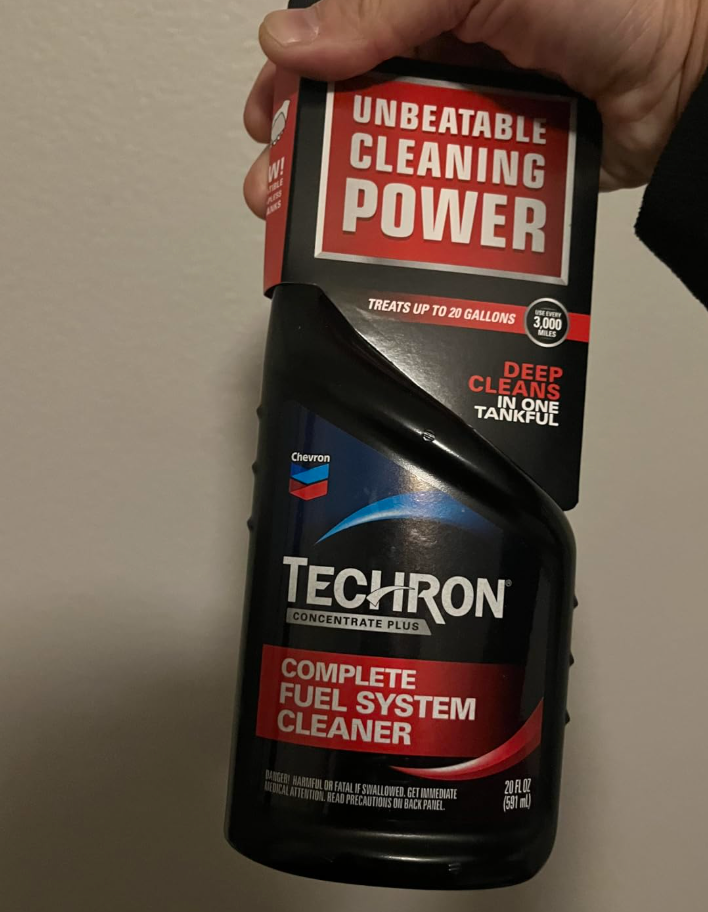
It is not a miracle solution, but we did notice a slight improvement in how smoothly the car runs. The key difference here is that unlike plug in gadgets like FuelSync, fuel additives actually work inside the engine where fuel combustion happens. So while the results are not dramatic, they are at least real and grounded in how engines function.
Driving More Smoothly
After realizing FuelSync was not going to help, we had to go back to practical methods that actually make a difference. One of the first things we changed was how we drive. Smooth acceleration instead of sudden speeding has made a noticeable difference over time. We also try to avoid unnecessary idling, especially during school pick ups where it is easy to just sit with the engine running.
Keeping Our Tires Properly Inflated
We made sure our tires are always properly inflated. This might sound like a small thing, but underinflated tires can increase fuel consumption more than you would expect. Once we started checking this regularly, it became part of our routine.
Reducing Extra Weight in the Car
We also took a look at what we were carrying around daily. As a mom, it is very easy to turn the car into a storage space. From extra bags to random items left behind after school runs, it all adds up. Reducing that extra weight has helped the car run more efficiently.
Combining Our Errands
Instead of making multiple trips throughout the day, we started combining errands into one outing. This alone helped cut down our weekly fuel use because the car is not constantly being started and stopped for short distances.
Keeping Up With Regular Servicing
Regular servicing has also played a big role. A well maintained engine runs more efficiently, and that translates to better fuel economy. We now make sure not to skip oil changes or routine checks.
Is Fuel Sync Gas Saver Device a Scam?
Based on my experience and what we understand about how vehicles work, I would say yes, FuelSync falls into the category of misleading products.
It promises significant fuel savings without any real scientific or mechanical basis. It creates the illusion of improvement through altered dashboard readings, which can easily fool someone who is not paying close attention to actual fuel usage.
It relies heavily on marketing rather than proven performance.
And that is what makes it frustrating. Because for families like mine, the idea of saving money on fuel is not just appealing, it is necessary. So when a product takes advantage of that need without delivering real results, it feels deceptive.
Reviews
After my experience, I went back to read more reviews, some people mentioned that the device lights up but does nothing else. Others noticed the same issue I did, where the mileage display improves but the fuel consumption does not.
Surprisingly, very few said their fuel consumption reduction. I’m doubtful of that and I think it’s a placebo effect. I suggested they track their file usage carefully, and VIOLA, there was no actual difference.
Pros
- It does not require any installation or technical knowledge.
Cons
- It does not reduce fuel consumption.
- It gives misleading mileage readings that do not reflect real usage.
- There is no scientific or mechanical proof to support its claims.
EndNote
Trying the FuelSync gas saver was one of those experiences that reminded me why I am always cautious with viral products.
On paper, it sounded like the perfect solution for reducing our monthly fuel expenses. In reality, it did not deliver any of the benefits it promised.
The red light came on, the dashboard numbers changed, but our actual gas usage remained exactly the same.
As a mom managing a household, every purchase matters. And I know many families are looking for ways to cut costs wherever possible. But from my experience, FuelSync is not the answer.
If you are trying to save on fuel, your best bet is still the simple, proven methods. Drive smarter, maintain your car, and be intentional with how you use it.
Those may not be as exciting as a plug in device promising instant results, but they are real, and they actually work.
while you’re here, read my latest unveiling of a viral product ‘Rosabella Beetroot‘