

My blog readers have sent me emails asking; is Stopwatt legit or a scam? Is it really endorsed by Shark Tank? Some even linked me to news article and YouTube videos claiming this device works.
So if you’ve seen the StopWatt ads claiming it can slash your electricity bill by up to 87%, you’re probably wondering if it really works this 2026. You’re not alone.
Being the product reviewer and scam buster that I’m, I decided to give this product a test (even though I knew this was a reoccurring scam since 2020) Who knows? the device might have undergone some upgrade to make it work in 2026.
So I ordered StopWatt device (on Amazon.com as I couldn’t risk shopping from the numerous websites selling this product)
So does Stopwatt electricity saving device work? Short answer: No, Stopwatt did not reduce my electricity bill.
Worse still, after taking it apart, it became obvious that this so called electricity saver is little more than an empty plastic box designed to fool buyers into believing something magical is happening.
Here’s the truth about Stop Watt energy saver and why it’s a scam you should totally avoid
Table of Contents
What Is StopWatt?
Stopwatt or Stop Watt is marketed as an electricity saving device that plugs into a wall socket and supposedly stabilises voltage, cleans dirty electricity, improves power factor and reduces wasted energy.
According to its advertisements, you simply plug it into any outlet and watch your electricity bills shrink month after month. The company claims it works in virtually every home and starts saving money immediately.
It is said to reduce electricity bill by 70% and protect the lifespan of devices through the following methods;
- Stabilizing home electrical current
- Reducing wasted electricity
- Eliminate the harmful spikes of electricity
Sadly, these are baseless assertions made with no proof, scientific research or finding
My experience testing StopWatt Energy Saving Device
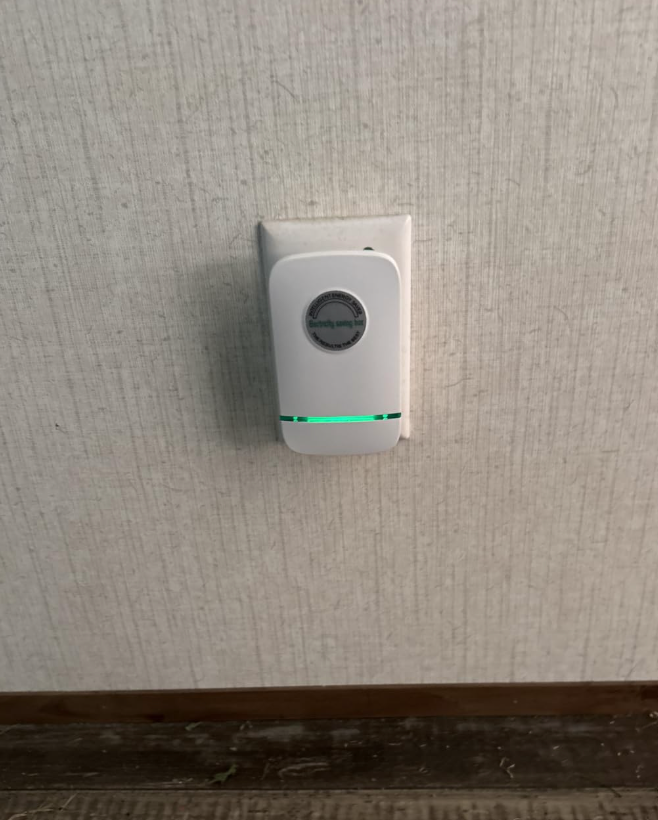
When my Stopwatt finally arrived, I was genuinely curious. My first impression was how surprisingly light the device felt. I could practically balance it on two fingers. Now, lightweight electronics aren’t necessarily a bad thing, but considering this product supposedly contains advanced components that optimise electricity flowing through an entire house, I expected it to have a bit more substance. Instead, it felt more like an empty phone charger than a serious electrical device.
The moment I plugged it in, a green LED lit up on the front. That’s it. No buttons, no settings, no display showing how much energy was supposedly being saved. Just a small green light that stays on continuously. If I didn’t know any better, I’d probably assume the device was quietly working in the background.
I left Stopwatt plugged in exactly as recommended while carrying on with my normal routine. The washing machine, dishwasher, kettle, microwave, television and heater were all used as they normally would be. Over the following weeks, I paid close attention to my electricity usage, expecting at least some noticeable improvement if the company’s claims were genuine.
Unfortunately, nothing changed.
My electricity consumption remained exactly what I would expect for our household. There wasn’t any noticeable reduction in power usage, and certainly nothing close to the dramatic savings advertised on the website. If Stopwatt was doing anything at all, I couldn’t see any evidence of it.
Since the testing raised more questions than answers, I decided to open the device to see what was actually inside.
Honestly, I was shocked. The inside looked almost empty.
The circuit board was incredibly sparse, with only a handful of cheap electronic components attached to it and large empty spaces where you would expect to find more sophisticated circuitry. The biggest surprise was the large black component that the advertisements would have you believe is the heart of the entire system. Looking closely, I realised it had been soldered onto pads that weren’t even connected to the rest of the circuit board. In other words, the component wasn’t actually doing anything useful. It was there to look impressive.
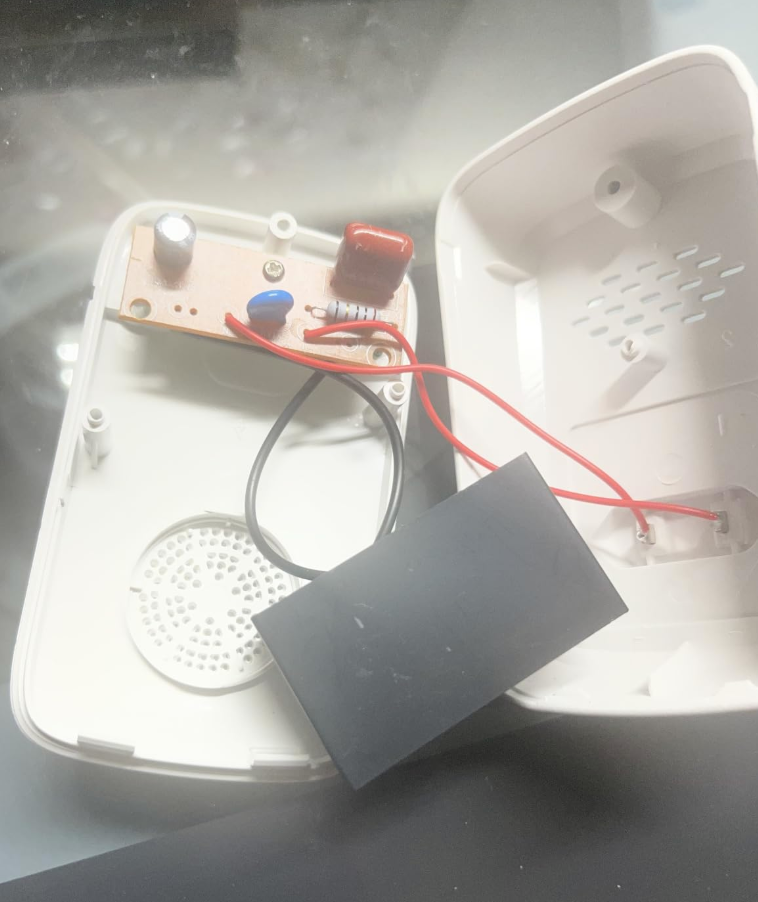
Curious, I carefully broke open the black casing expecting to find a substantial capacitor hidden inside. Instead, I found a tiny blob of epoxy with a couple of wires buried inside it.
That was it.
There wasn’t enough material inside to justify the size of the casing, let alone perform the extraordinary energy-saving functions promised in the advertisements. The more I looked at it, the more it felt like the internal components had been arranged to give buyers the illusion of advanced technology rather than actually delivering it.
In fact, the only part of the circuit that clearly appeared to have a purpose was the LED light on the front. It lights up when plugged into the wall, giving users confidence that the device is actively working. But a glowing LED doesn’t mean your electricity bill is shrinking. It simply means the LED has power.
After examining the hardware and comparing it with the bold marketing claims, I couldn’t find any believable explanation for how Stopwatt could possibly reduce electricity consumption in an average home. Household appliances draw the amount of electricity they need to operate. A small plug-in box with almost no functional electronics cannot magically change that.
Based on both my testing and what I found inside the device, I don’t believe Stopwatt can reduce household electricity bills in the way it claims.
Is Stop Watt endorsed by Shark Tank?
The Stopwatt device has never been featured on Shark Tank.
One of the reasons Stopwatt has managed to fool so many people is its marketing. If you’ve been researching this device, there’s a good chance you’ve already come across a Shark Tank video supposedly showing the founders pitching Stopwatt to the investors. At first glance, it looks completely authentic. The Sharks appear to be discussing the product, the audience is reacting, and by the end of the video it seems as though the entrepreneurs have secured an investment.
The problem is that none of it is real.
The videos being shared online are cleverly edited using footage taken from genuine episodes of the show. The original audio is removed and replaced with AI generated voices or heavily edited narration that makes it sound as though the investors are praising Stopwatt and calling it a revolutionary invention. Unless you’re paying very close attention, it’s surprisingly convincing.
This isn’t something unique to Stopwatt either. Over the past year I’ve investigated dozens of products using exactly the same trick. One week it’s a miracle weight loss supplement. The next it’s an anti ageing cream. Then it’s a blood glucose monitor, an air conditioner or an electricity saver like Stopwatt. The product changes, but the scam stays exactly the same.
The people behind these adverts know that Shark Tank carries enormous credibility. Millions of people trust the programme because successful businesses have genuinely launched from it. By attaching their product to the show’s reputation, scammers instantly gain the trust they could never earn on their own.
What’s even more concerning is how sophisticated these fake adverts have become. Artificial intelligence now makes it incredibly easy to clone voices, alter lip movements and generate convincing dialogue that never actually happened. To someone scrolling quickly through Facebook or YouTube, the video looks like a legitimate television clip rather than a fabricated advertisement.
Is Stopwatt a Scam?
In my opinion, yes.
I believe Stopwatt is a classic example of a product wrapped in scientific sounding language to convince consumers they’re buying advanced technology when they’re really purchasing a mostly empty plastic box.
The internal construction alone raises serious concerns.
When the supposed main component isn’t even electrically connected to the rest of the circuit, it’s difficult to see how the device could possibly perform the extraordinary functions claimed in its advertising.
Couple that with misleading AI generated Shark Tank promotions, exaggerated savings claims and sponsored articles posing as genuine reviews, and the entire marketing campaign becomes very difficult to trust.
Dangers of using this Plug-in electricity device
While the biggest problem with Stopwatt is that it appears unable to deliver the electricity savings it promises, there are also potential safety concerns that consumers should consider before leaving an unknown electrical device plugged into their home.
1. Potential Fire Risk
One of the biggest concerns with cheaply manufactured electrical products is the possibility of overheating or electrical failure.
Stopwatt is designed to remain plugged into a wall socket continuously, often 24 hours a day. Any device connected to mains electricity needs to be manufactured with proper safety standards, quality components and protective measures.
When a product has unclear manufacturing details and limited information about safety testing, consumers cannot know whether the internal components are capable of handling long-term use.
A poorly made circuit board, low-quality wiring, weak insulation or inadequate heat management could potentially increase the risk of overheating, especially if the device is left unattended for long periods.
2. Electric Shock Risk
Electrical devices should have properly insulated internal components to prevent accidental contact with live parts.
When I opened my Stopwatt unit, I found a very basic circuit board with questionable construction. While the outside casing prevents normal users from touching the internal components, poorly assembled electrical products may not provide the same level of protection as properly certified devices.
Any damage to the casing, manufacturing defect or internal failure could potentially expose users to unnecessary electrical risks.
3. Damage to Electrical Systems
Stopwatt claims to improve your home’s electricity quality, but there is no convincing evidence that it can provide the benefits advertised.
A poorly designed power-related device could potentially introduce electrical problems rather than solve them. Instead of improving your home’s electrical performance, a low-quality component connected to your power supply may create interference, instability or unnecessary strain on the circuit.
Your home’s electrical system has already been designed to operate safely with properly manufactured appliances. Adding an unknown device does not automatically improve it.
Pros
- LED light works.
Cons
- No reduction in my electricity bill.
- Fake AI generated Shark Tank advertisements.
- No credible evidence it delivers the advertised savings.
Better Ways To Reduce Your Electricity Bill
The good news is that many effective energy-saving methods do not require expensive upgrades. Some of the biggest savings can come from small changes you make around your home.
1. Identify Your Biggest Energy Consumers
Before trying to reduce your electricity bill, you need to know where your electricity is going.
Many people assume small appliances like phone chargers or televisions are responsible for high bills, but the biggest energy users in most homes are usually larger appliances such as:
- Heating and cooling systems
- Hot water systems
- Clothes dryers
- Refrigerators and freezers
- Electric ovens
- Washing machines
- Dishwashers
Instead of guessing, consider using a genuine energy monitoring device that shows how much electricity individual appliances are consuming. Unlike fake “electricity saver” gadgets, proper energy monitors actually measure energy usage and help you make informed decisions.
Once you know which appliances are consuming the most power, you can focus your efforts where they will have the biggest impact.
2. Reduce Heating And Cooling Costs
For many households, heating and cooling are among the largest contributors to electricity bills.
During warmer months, air conditioners can also significantly increase energy consumption.
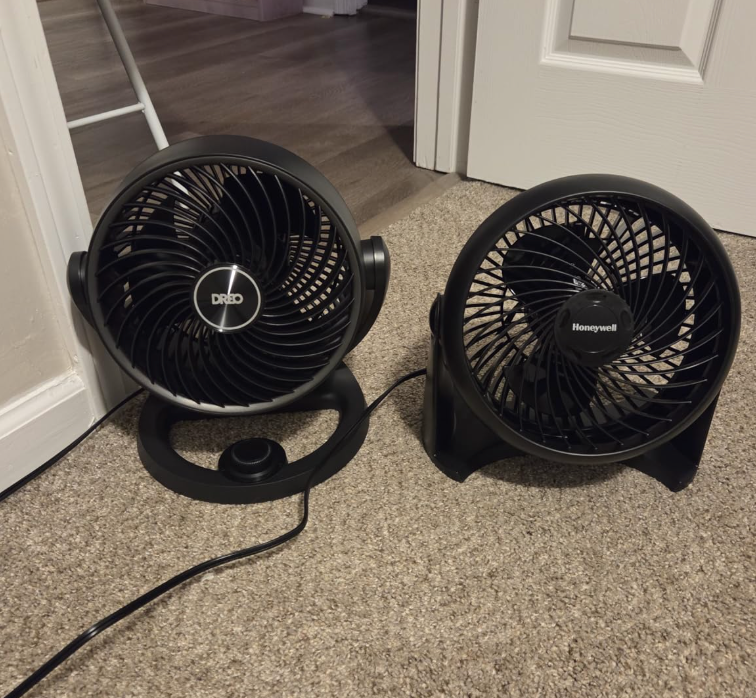
So, it’s currently hot where I live now. I’ve been able to reduce my electricity bill by using air coolers that use less electricity. I use two products by DREO that meet my need. The first is this DREO Fan for bedroom on Amazon.com for $69.95.
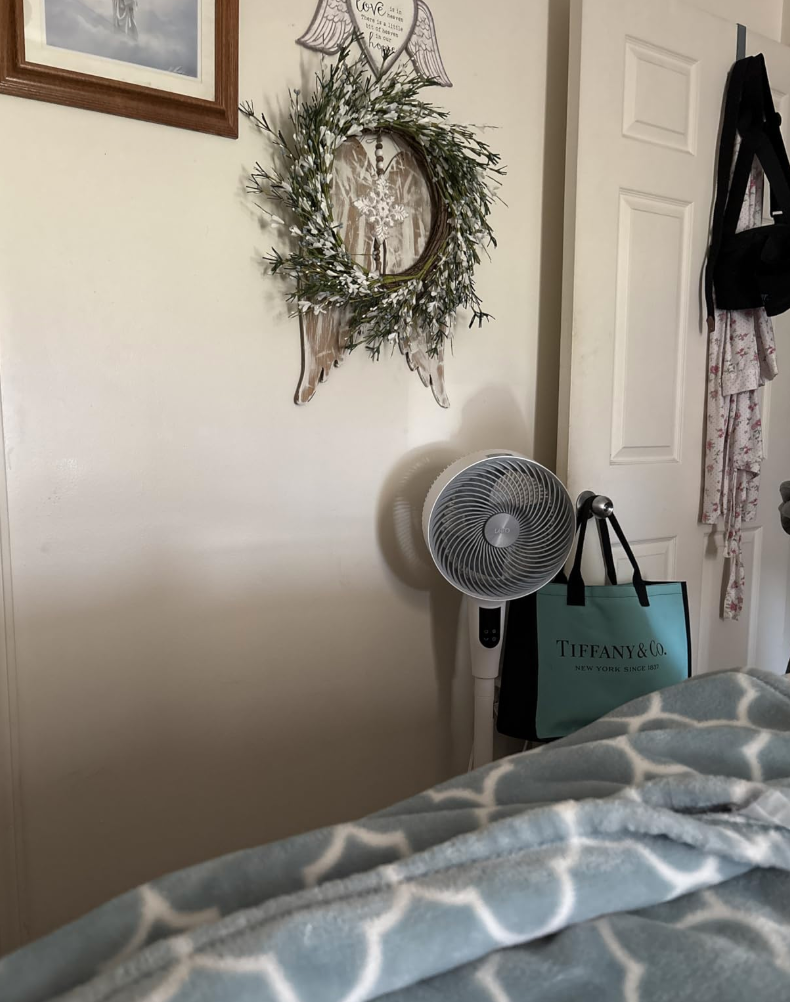
It is the best fan that I’ve ever had. Blows Strong cool air and you can feel it from practically across the room. It kept us cool in an 86° room at night with it pointed at the King Size bed and the fan didn’t have to be right on top of us.
It wasn’t even on the highest setting! I do wish it were an inch or two wider since I like to keep it pointed right at the bed without oscillating and being wider would allow it to cover more surface area, but it does still manage to keep a breeze across most of the bed.
It takes about 3 minutes to assemble, and that includes unboxing Super easy assembly!
The second product I bought is this desk fan by Dreo. This is far much powerful. I’ve tried so many different brands over the years, but nothing even comes close to this one.
It’s quiet, especially at night, I can comfortably sleep with it running without being disturbed by noise. Despite how quiet it is, the airflow is strong and does an excellent job cooling down my room.
It’s also compact and lightweight enough to pack for road trips / travel. Many hotels have fixed thermostats or rooms that never seem to get quite cool enough, and this fan has been a great solution, providing the extra airflow needed to stay comfortable.
If you’re looking for a fan that’s both effective and quiet enough for a good night’s sleep, this is an excellent choice.
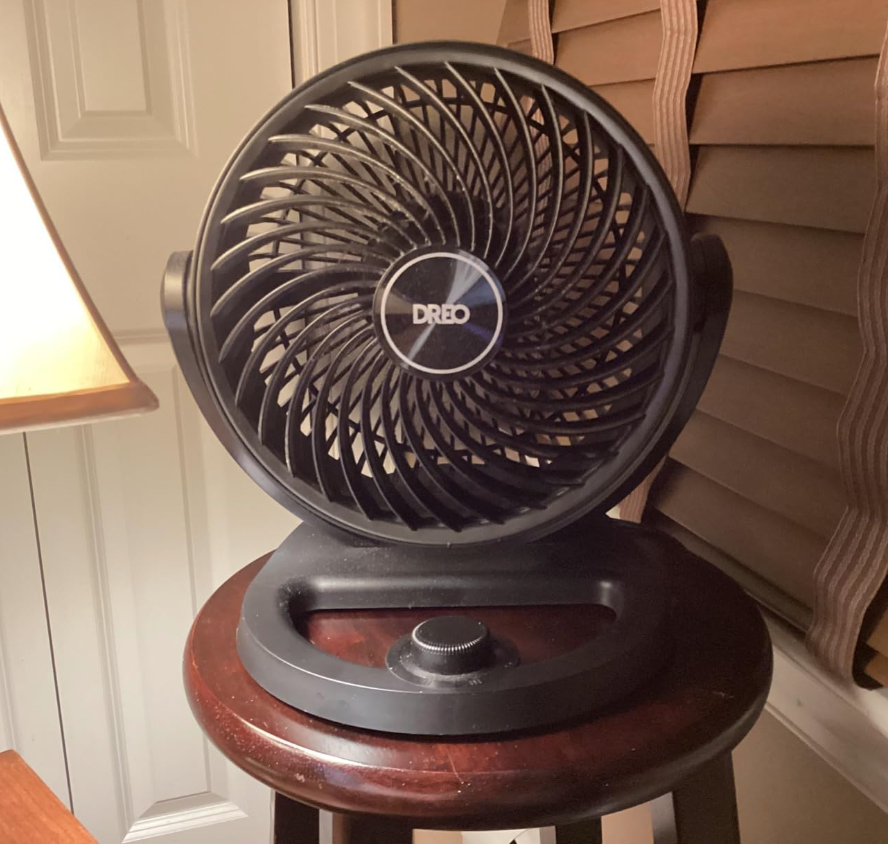
I compared this with the Honeywell HT900 for reference, which sounds much louder (like a traditional box fan). Their size is similar, output of air is similar, but the DREO looks nicer. Honeywell is cheaper, but you get what you pay for.
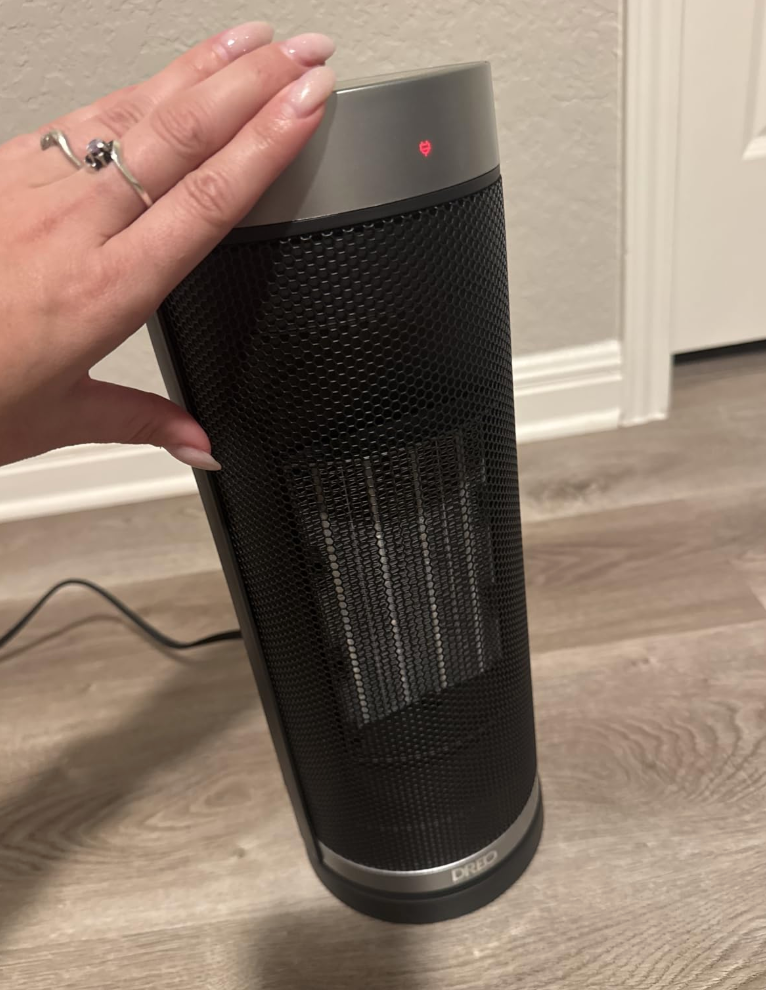
During colder months, heating can quickly become expensive, especially if you are using electric heaters for many hours every day. I currently use this DREO portable heater in winter (also available on Amazon).
It is small, compact, yet powerful enough to heat the space in no time. As only the space you are in is heated by this space heater, the electricity used is minimal. There is no need to run up electricity bills by heating the entire house for hours or through the night when only the bedroom needs to be heated.
If you are living in a big house like us and want just one or two cozy rooms to stay in, a central heating system can run up your electricity bills in no time. At the same time, there are still some nooks and corners that do not feel warm enough in your bedroom or home office. Portable space heaters are perfect answers for such a scenario.
Some simple ways to reduce these costs include:
- Setting your thermostat to an efficient temperature rather than constantly adjusting it.
- Closing doors and windows when heating or cooling is running.
- Using curtains or blinds to reduce heat loss in winter and heat gain in summer.
- Improving insulation where possible.
- Wearing warmer clothing indoors instead of relying entirely on heating.
3. Replace Old Appliances With Energy Efficient Models
Older appliances often consume much more electricity than newer energy-efficient versions.
If your refrigerator, washing machine, dishwasher or air conditioner is many years old, replacing it may eventually save money despite the upfront cost.
When shopping for new appliances, look beyond the purchase price. A cheaper appliance that uses significantly more electricity can cost you more over its lifetime.
Look for official energy ratings and compare estimated yearly running costs before making a decision.
4. Stop Wasting Standby Power
Many people underestimate how much electricity their devices use while sitting idle.
Televisions, gaming consoles, computers, printers, coffee machines and other electronics can continue drawing power even when they appear to be switched off.
This is often called standby power or vampire power.
A simple solution is to switch off devices at the wall when they are not needed, or use a power board with an on/off switch so multiple devices can be disconnected easily.
While one device may only use a small amount of standby power, several devices throughout the home can add up over time.
5. Use LED Lighting
Replacing old incandescent or halogen bulbs with LED lights is one of the easiest energy-saving changes you can make.
LED bulbs use significantly less electricity and generally last much longer than traditional bulbs.
The savings from one bulb may seem small, but when you replace multiple lights throughout your home, the difference can become noticeable over the course of a year.
6. Be Smarter With Laundry
Laundry is another area where small changes can reduce energy use.
Some practical tips include:
- Washing clothes with cold water when suitable.
- Running full loads instead of several smaller loads.
- Avoiding unnecessary use of the clothes dryer.
- Drying clothes naturally when weather allows.
Clothes dryers, in particular, can use a surprising amount of electricity. Hanging clothes outside or using a drying rack indoors when possible can reduce running costs.
7. Improve Your Home’s Insulation
A poorly insulated home loses heat in winter and gains heat in summer, forcing your heating and cooling systems to work harder.
Improving insulation in areas such as ceilings, walls and floors can help maintain a more stable indoor temperature.
Other affordable improvements include:
- Sealing gaps around doors and windows.
- Using draft stoppers.
- Installing thermal curtains.
- Adding rugs to reduce heat loss through floors.
These changes may not feel as exciting as buying a “miracle” energy-saving gadget, but they address the actual reasons homes lose energy.
Final Verdict
I bought Stopwatt hoping there might be at least some interesting engineering hidden inside. Instead, I found one of the emptiest electronic products I’ve ever reviewed.
After opening the device, examining its components and testing it in my own home, I found absolutely nothing to support the extraordinary claims made in its advertising.
No savings, no advanced technology and miracle energy optimisation.
Just a glowing LED inside a plastic box and a marketing campaign built around buzzwords, fake AI generated Shark Tank videos and sponsored promotions.
If you’re thinking about buying Stopwatt to reduce your electricity bills, I’d save your money instead.
Frequently Asked Questions
Does Stopwatt actually lower electricity bills?
Based on my testing, no. I saw no measurable reduction in my electricity bill, and the internal electronics do not support the dramatic claims made in the adverts.
Is Stopwatt featured on Shark Tank?
No. The videos circulating online are manipulated using edited footage and AI generated audio to make it appear that the product was endorsed on the show.
Is Stopwatt the same as other electricity saver devices?
Yes. Similar plug in gadgets are often sold under different names such as Electricity Saver, Miracle Watt, Voltbox, MiracleWatt, Power Saver Pro and other rebranded versions, despite looking almost identical.
Is Stopwatt worth buying?
In my opinion, no. After buying, testing and dismantling the device, I found no evidence that it delivers the electricity savings promised by its advertising.